

Table of contents
Introduction: Why Most DTC Brands Plateau on Meta Ads
Most dtc brands run the same playbook on meta: one campaign optimized for conversions, broad or interest-based audiences, a handful of creatives, and a prayer that ROAS stays above 2×. It works until it doesn't. Revenue ceilings typically appear between $30k and $100k per month in ad spend, when the algorithm saturates low-hanging fruit and CPA climbs relentlessly.
This guide is written by Meta Marketing Agency, a performance marketing partner for ecommerce and DTC brands focused on full-funnel growth across Meta Ads, Google Ads, CRO, and SEO. We've managed seven-figure monthly spend across fashion, beauty, supplements, and home goods - and the patterns are consistent.
A real meta ads strategy for DTC isn't a single campaign setting. It's a system: campaign structure, ad sets, creative formats, landing pages, and measurement working together with meta's algorithm, plus creating stage-specific campaigns and assets that match buyer intent. Effective Meta advertising for DTC brands relies on content-first funnels and optimized post-click experiences. Full-funnel strategies improve ROAS by 2.7× on average compared to direct-response-only setups.
This playbook shows you how to build a full-funnel meta ads strategy - top of funnel through retention - that exits the learning phase, lowers CPA, and scales MER beyond 3×, because most buyers do not convert after seeing an ad a single time. Every recommendation comes from real accounts and current 2026 data.
If you'd rather have us map this out for your brand directly, book a free Meta ads strategy audit - no pressure, just tactical feedback on your account.
1. The Modern Meta Funnel for DTC Brands (Awareness → Consideration → Purchase → LTV)
The classic approach of running one campaign to broad audiences with a conversion objective worked in 2021. In 2026, it leaves money on the table because meta's algorithm needs clear signals at each stage: distinct objectives, creative formats, and event priorities to optimize across the full customer journey.
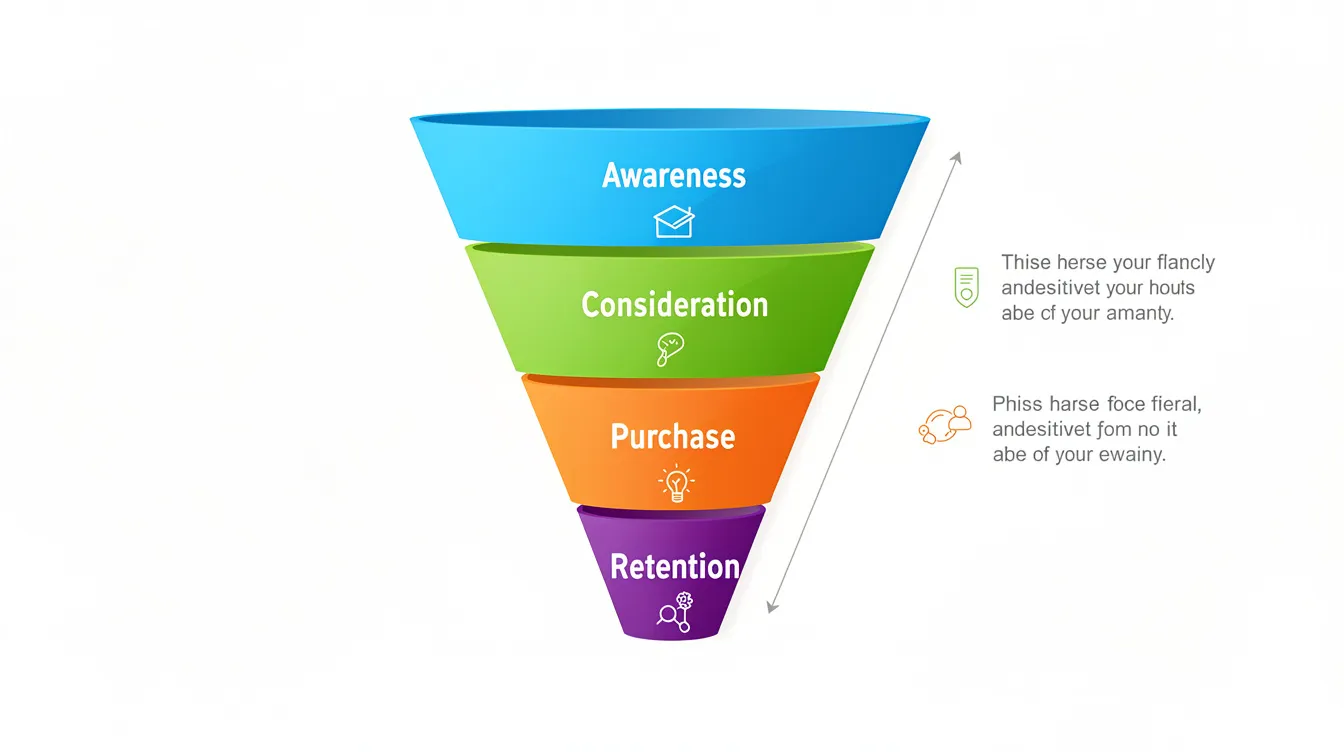
A functional DTC funnel has four stages:
| Stage |
Objective |
Budget Share |
Key Metric |
|---|---|---|---|
| Awareness (TOFU) |
Reach new audiences |
60–70% |
CPM, Thumbstop Rate |
| Consideration (MOFU) |
Build desire, engage visitors |
20–30% |
CPC, Add-to-Cart Rate |
| Purchase (BOFU) |
Convert buyers |
5–10% |
CPA, ROAS |
| Retention & LTV |
Re-engage existing customers |
5–10% |
Repeat Purchase Rate, MER |
Top-of-funnel ads should focus on brand awareness. Conversion objectives should be used lower in the funnel to focus on sales rather than awareness, while consideration-stage campaigns can also capture and warm up leads before purchase. Optimized objectives for e-commerce checkouts should target users inclined to make purchases.
A skincare DTC brand we studied shifted from 90% BOFU spend to this full-funnel split in 2025 and grew revenue 45% at flat MER - no efficiency loss despite near-tripling spend. Audience segmentation is crucial for effective full-funnel strategies like this.
Each funnel stage must be backed by dedicated landing experiences and CRO work. Optimizing landing pages can significantly improve ad conversion rates, and ignoring landing page optimization can increase ad costs over time as your conversion rate drops. Revenue per Visitor (RPV) is the metric that ties landing page performance to ad profitability. For deeper guidance, see our integrated marketing best practices for higher conversions.
2. Campaign Structure & Ad Sets: Building a Scalable Account Architecture
This section shows how to design campaign structure that works with meta's algorithm instead of fighting it. Most brands overcomplicate their accounts with dozens of fragmented ad sets that never exit the learning phase.
Here's the base account architecture we recommend for most DTC brands in 2026:
- 1–2 Advantage+ Shopping Campaigns (ASC) for prospecting campaigns and catalog-driven sales
- 1 broad manual campaign for new product launches or creative testing
- 1 Dynamic Product Ads campaign for dynamic remarketing campaigns
Inside each campaign, use few broad ad sets with enough total budget to hit approximately 50 conversions per ad set per week. Meta's AI focuses heavily on automating targeting and optimization - ASC typically delivers 15–25% lower CPA when prerequisites are met. Leveraging broad targeting allows AI to optimize ad delivery based on conversion data, and using diverse content formats can optimize the performance of Advantage+ campaigns.
Manual targeting still makes sense for new accounts under 50 conversions per week, niche consumer products, or early-stage testing where you need audience intelligence. For geography, default to automatic placements and multi-country clusters unless luxury positioning or shipping constraints demand tighter geo control.
2.1 Using Advantage+ vs Manual Targeting by Spend Level
Meta's automation behaves differently depending on scale. Here's what we see across accounts:
| Monthly Ad Spend |
ASC Share |
Manual Share |
Notes |
|---|---|---|---|
| Under $30k |
70–80% |
20–30% |
ASC does the heavy lifting; manual for testing |
| $30k–$200k |
55–65% |
35–45% |
Hybrid model; manual for audience intelligence |
| Above $200k |
50–60% |
25–30% + 10–15% experimental |
Strategic manual layering for incremental scale |
Manual interest targeting is not dead, but treat it as a testing lever to find new audiences, not the core of your meta ads strategy. At lower budgets, consolidate spend into ASC to generate enough signal. At higher budgets, multiple campaigns with manual structures help find incremental pockets the algorithm misses.
2.2 Avoiding the Most Common Campaign Structure Mistakes
The most common mistakes we see during account audits:
- Too many tiny ad sets: a brand running 18 ad sets at $10/day each versus 3 ad sets at $60/day. The latter exits the learning phase faster, stabilizes CPA, and delivers lower cpms.
- Mixing funnel stages in one campaign without exclusions, so TOFU and BOFU audiences compete for the same budgets
- Frequent budget edits (especially cuts) that reset learning every few days
- Splitting creative tests across too many structures so nothing gets enough data
High CPMs often indicate poor creative quality or restricted audience - not just competitive pressure. Use exclusion logic to keep prospecting ad sets clean: exclude purchasers (last 30–90 days), recent site visitors (1–7 days), and engagers from awareness campaigns.
Proper structure is a prerequisite for accurate measurement and MER tracking. If your account is messy, your data is unreliable - and scaling becomes guesswork.
3. Creative Formats for Each Funnel Stage (What Actually Works for DTC)
In 2026, ad creative acts as the primary targeting lever in Meta advertising. The right creative formats and angles guide meta's algorithm toward the right buyers more effectively than any audience setting. Ad formats should be tailored for different platforms based on audience demographics.
This section breaks down what works at each funnel stage for DTC categories like apparel, beauty, CPG, and home goods. Video-first content builds trust by prioritizing formats that appear natural and organic. Creative diversity inside each ad set - mixing UGC, founder-led video, product demos, comparison statics - prevents fatigue and broadens reach.
Meta Marketing Agency offers full creative strategy and production for UGC, statics, and video ads if you need help scaling your creative pipeline.
3.1 Top of Funnel (Awareness) Creative: Native, Educational, and Broad
TOFU awareness campaigns should stop scrolls, educate, and collect cheap, high-quality traffic - not push for immediate purchases. The first three seconds of video ads are crucial for capturing attention, so lead with a strong hook.
Formats that work:
- UGC/creator demo videos (15–30s): UGC content outperforms polished brand ads on Meta consistently. UGC videos outperform polished brand ads because user-generated content feels authentic and relatable. UGC can be sourced from existing customers or dedicated creators.
- Founder-led storytelling: why you started the brand, the problem you solve
- Problem → solution hooks under 30 seconds: "For marathon runners who hate heavy shoes..."
- Social-native statics using platform UI elements that blend into the feed
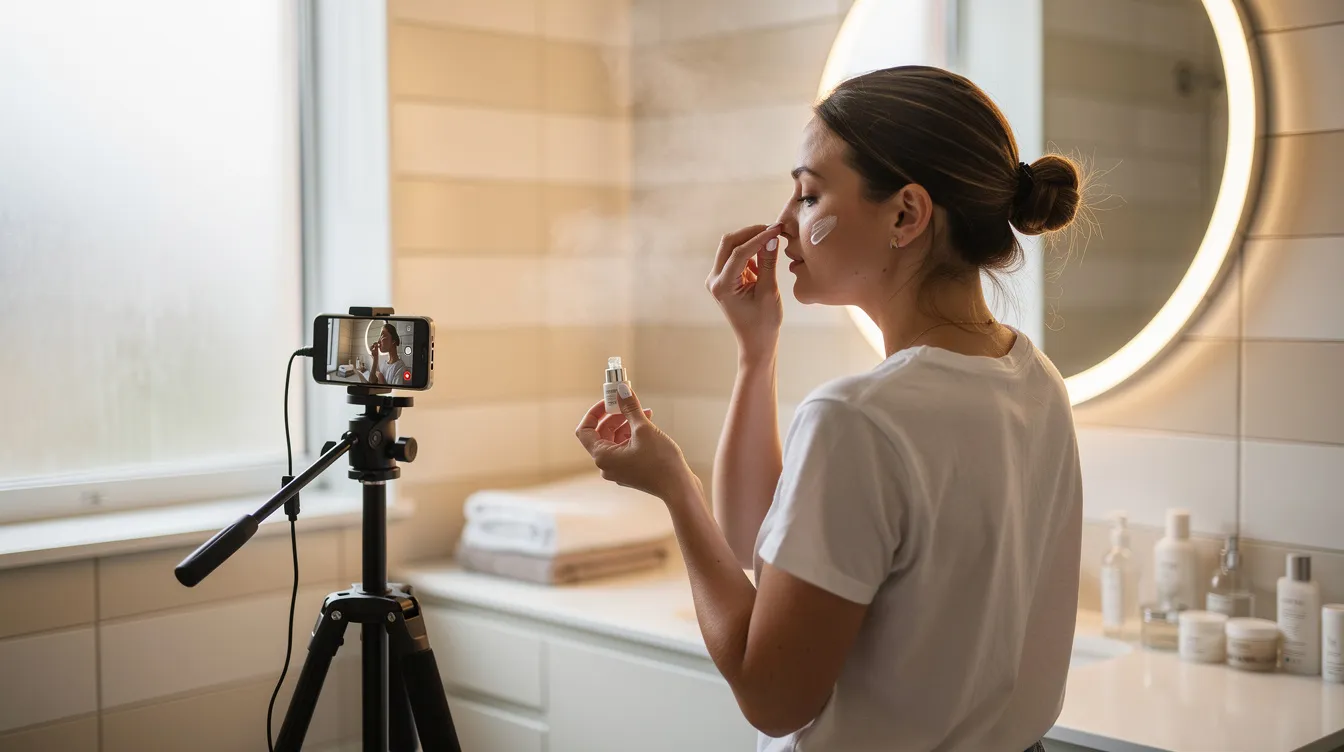
These formats often deliver 30–40% lower CPMs for high-ticket products compared to hard-sell conversion creative. Design TOFU creatives primarily for Reels and Stories (9:16) with safe zones and captions - most people see your ads in vertical placements in 2026. Short form video dominates impressions, accounting for 55–65% of ASC delivery.
3.2 Middle of Funnel (Consideration) Creative: Proof, Depth, and Comparisons
MOFU targets visitors who have browsed your site, added to cart, or engaged with content in the last 30–60 days. They need depth and proof to convert.
Recommended formats:
- Video Sales Letters (45–90s): Video Sales Letters work best for high-consideration products where buyers need education before purchase
- Long-form testimonials: real customers sharing specific results. Testimonials and reviews are effective UGC formats here.
- Carousel breakdowns of ingredients, features, or "how it works" sequences
- Comparison statics vs competitors or older solutions: comparison statics target solution-aware prospects effectively
Reference specific behaviors in copy: "Still thinking about switching from XYZ brand?" or "You left this in your cart..." Social native statics feel organic and work for retargeting in this category too. Include clear CTAs ("Complete your kit today" or "Claim 15% off this week") while maintaining educational messaging. MOFU ads can run in both prospecting and remarketing campaigns to engage users across multiple touchpoints.
3.3 Bottom of Funnel (Purchase & LTV) Creative: Urgency, Risk Reversal, and Offers
BOFU ads should eliminate friction: answer remaining objections, reinforce trust, and make "now" the obvious time to buy.
Effective formats:
- Dynamic Product Ads with overlays: Dynamic Product Ads show users exact SKUs they left in carts, with price and product name
- Trust-builders: reviews, star ratings, press logos, money-back guarantee badges, "over 50,000 customers since 2020" statements
- FAQ-style statics addressing shipping, returns, and sizing
- Offer-based creatives for time-bound promos: limited drops, seasonal campaigns (Q4 2026 holiday offers), genuine price changes - not fake scarcity
UGC clips can include quote overlays and real results for social proof at this stage. For retention, focus on bundles, refills, subscriptions, and new product launches to lift LTV and MER among existing customers.
4. Creative Testing Framework: From Ideas to Reliable Winners
Most brands stall because they test creative randomly. Creative fatigue is the top cause of skyrocketing customer acquisition cost, and continuous testing of creatives is essential to identify winning combinations in advertising.
Allocate at least 10% of monthly budget to creative testing. For a brand spending $40k/month, that's $4–8k dedicated to launching 12–20 new creatives. Structure it as one dedicated "Creative Testing" campaign at TOFU with broad targeting, then feed winners into your main ASC and evergreen prospecting campaigns.
Focus tests on hooks and angles first - not micro-variants of button color or minor copy tweaks.
Example: a mattress brand in late 2025 discovered that a "comparison vs competitors" angle crushed generic benefit-led ads, dropping CPA by 38%. They never would have found it testing only copy variants.
4.1 What to Test First: Hooks, Angles, and Formats
Test fundamentally different concepts first:
- Problem → solution
- "Us vs them" (comparison)
- Founder story
- Routine demo
- Price/value breakdown
Run 3–5 distinct creative angles per ad set, not 20 near-identical ads that confuse the algorithm. Test formats directly: ugc video versus polished studio video, static versus carousel, short (15s) versus longer (60–90s). Building a robust organic social presence supports paid efforts by giving you a library of proven concepts.
Offer tests (discount vs bundle vs free shipping) should come after winning hooks and formats are identified - otherwise heavy discounts mask weak messaging. Treat creators and customer content as ongoing concept sources, and maintain a monthly creative backlog document.
4.2 Reading Results and Killing Losers Quickly
Inside an ad set, watch how Meta allocates spend. No-spend or low-spend ads are being deprioritized by the algorithm before hard performance data accumulates.
Decision rules:
- Pause creatives that spend 2–3× target CPA without a single purchase
- Keep running promising creatives through at least 1–2 purchase cycles before judging
- Re-test under-spent creatives by isolating them in clean "challenger" ad sets
Validate creative winners using blended metrics - MER impact and new customer revenue - not only in-platform ROAS, which can be noisy due to view through attribution and modeling. Maintain a simple creative leaderboard to track winners, losers, and hypotheses for the next test cycle.
5. Dynamic Remarketing & Retargeting: Turning Intent into Revenue
Dynamic remarketing campaigns are essential for middle and bottom funnels and can drive 30–50% of revenue for mature DTC brands when implemented correctly. Dynamic Product Ads are essential for retargeting campaigns, pulling from a clean product catalog synced with your ecommerce platform.
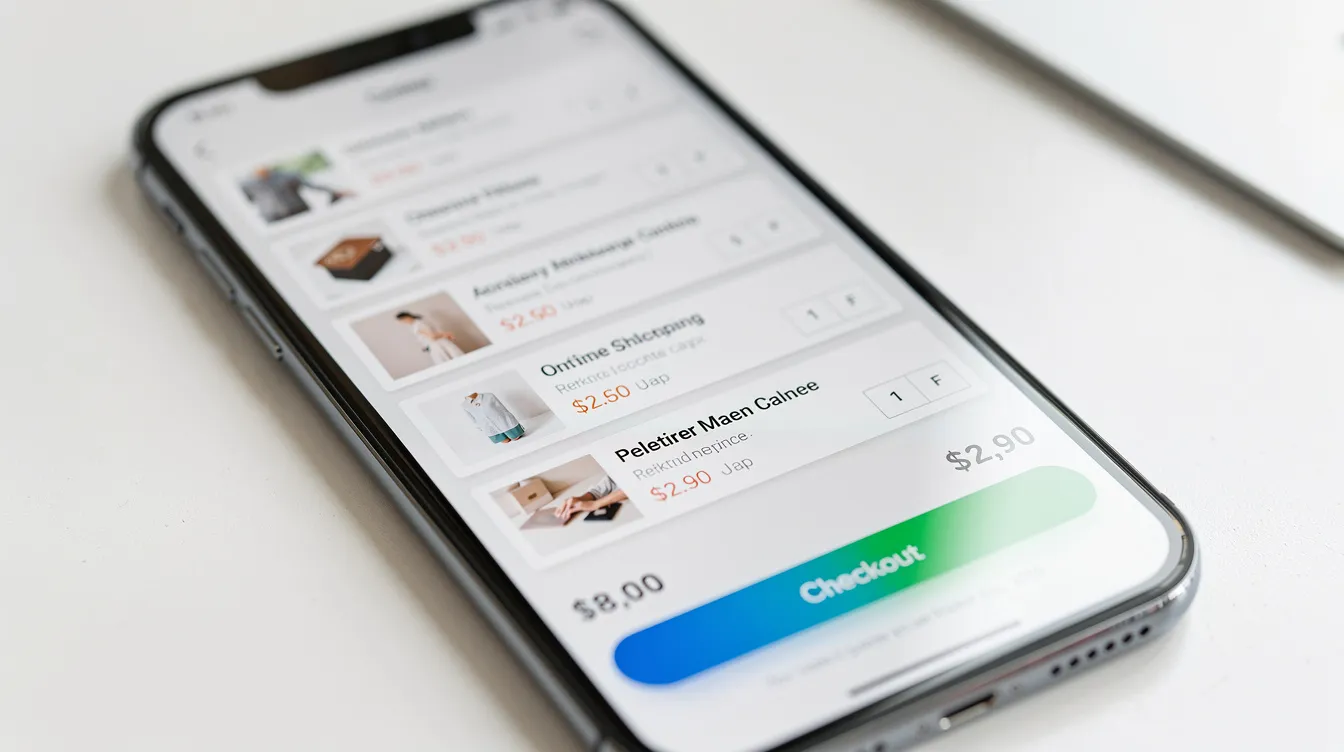
High-quality SKU-level data improves the effectiveness of dynamic ads on Meta. Segmentation of customer data by behavior can enhance ad targeting - separate cart abandoners from product viewers from past buyers.
5.1 Building High-Performing Dynamic Product Ad Campaigns
Structure a dedicated DPA campaign in Meta and Facebook with catalog sales objective, automatic placements, and audiences of users who viewed products, added to cart, or initiated checkout. Set retargeting windows in layers:
| Window |
Audience |
Messaging |
|---|---|---|
| 1–3 days |
Cart abandoners, checkout initiators |
High urgency, specific product reminder |
| 4–14 days |
Product viewers, site engagers |
Social proof, benefit reinforcement |
| 15–60 days |
Broad visitors |
Softer reminder, new arrivals, educational content |
Use product set segmentation for high-ticket items or new drops, but avoid dozens of tiny product sets. Pair DPAs with static and video retargeting to deliver both personalized product reminders and persuasive, story-led content. Monitor frequency and cap if necessary to prevent negative feedback.
5.2 Smart Exclusions and Frequency Management
Implement exclusion logic carefully:
- Exclude purchasers (last 30–90 days) from prospecting - shorter windows for fast-moving CPG, longer for durable goods
- Exclude recent engagers from certain TOFU tests to keep audiences clean
- Avoid ultra-narrow segments below 1,000 people to maintain stable ad delivery
A good First-Time Impression Rate is above 50% - if yours drops below that, you're over-serving existing audiences. Frequency thresholds for BOFU audiences: once you exceed 5–8 impressions over 7 days, refresh creative or adjust budgets. Monitor CTR alongside frequency to catch fatigue early.
6. Measurement, MER, and Scaling a Profitable Meta Ads Strategy
In 2026, platform-reported ROAS overstates performance by 15–40% due to iOS privacy changes, conversion modeling, and cross-device behavior. Most brands need to look beyond platforms and use blended attribution.
MER (Marketing Efficiency Ratio) = Total Online Revenue ÷ Total Marketing Spend
For example, if your brand generated $400k in revenue in April 2026 across all channels and spent $100k on marketing (Meta, Google, email, etc.), your MER is 4.0×. Use Meta ROAS as a directional signal, and MER as the decision-maker for scaling or cutting spend because it reflects the health of the broader business, not just channel efficiency.
Continuity between ads and landing pages reduces visitor disorientation and improves conversion rate. Mobile landing pages should load under 3 seconds for optimal performance. Meta's algorithm rewards ads that lead to conversions - so strong post-click experiences directly improve your ad delivery and cost efficiency.
6.1 Implementing Conversions API and Event Quality
Relying on browser-only pixel tracking under-reports conversions and starves the algorithm of data. Set up Conversions API (CAPI) via Shopify, Google Tag Manager, or a first-party tracking solution. Accounts with strong CAPI implementation see match rate lifts of 15–30%, directly improving optimization.
Target Event Match Quality (EMQ) scores of 6.0+ on key events. Core events every DTC brand should send:
- ViewContent
- AddToCart
- InitiateCheckout
- Purchase
- Subscription start or upsell accepted (if applicable)
Better signal quality allows Meta to find higher-LTV buyers and allocate budget to profitable ad sets without manual micromanagement. CAPI implementation is now accessible even for smaller DTC brands running on Shopify - it's not just for enterprise retailers.
6.2 Scaling Budgets Without Breaking the Funnel
Concrete scaling rules:
- Increase budgets 15–25% every 2–3 days on winning campaigns to avoid aggressively re-triggering the learning phase
- Hold for 5–7 days before the next increase to let performance stabilize
- Duplicate campaigns (rather than editing in-place) when you need to protect historical data during scaling
- Watch leading indicators: stable MER, healthy FTIR, consistent new-customer revenue - not just last-click ROAS
Avoid scaling only BOFU campaigns. Grow top of funnel spend first so your consideration and purchase stages have enough traffic to generate consistent results over 30–90 days.
If you're unsure about your scaling thresholds, book a no-obligation strategy call with our team to review your specific numbers.
7. When to Bring in a Meta Ads Partner (and What to Look For)
Many DTC brands can reach $30k–$50k/month in ad spend in-house. Scaling beyond that often requires dedicated creative ops, CRO expertise, and media buying discipline that's hard to maintain with a small internal team.
Signs it's time to hire a performance marketing agency:
- MER stagnates despite rising spend
- You can't maintain creative testing velocity (less than 10–15 new creatives per month)
- Landing page optimization is siloed or nonexistent
- You're trusting platform-reported ROAS without blended attribution
- Your account structure has become a tangle of overlapping campaigns and audiences
Look for a partner offering a full-funnel approach - Meta plus Google plus CRO - with transparent reporting, in-house creative capabilities, and proven experience at your spend level.
At Meta Marketing Agency, we focus exclusively on DTC growth with a 91% client retention rate and a track record of managing significant Meta ad budgets with measurable ROAS improvements and lower CPA. Our success comes from treating every lever - creative, structure, data, landing experience - as connected parts of one system.
Frequently Asked Questions
How should DTC brands split Meta ad budget across the funnel?
A functional DTC funnel allocates roughly 60–70% to Awareness (TOFU), 20–30% to Consideration (MOFU), 5–10% to Purchase (BOFU), and 5–10% to Retention & LTV. Each stage needs its own objective, creative formats, and key metrics — and full-funnel strategies improve ROAS by 2.7× on average compared to direct-response-only setups.
Should I use Advantage+ Shopping Campaigns or manual targeting?
It depends on spend level. Under $30k/month, ASC should carry 70–80% of spend with manual reserved for testing. From $30k–$200k, a hybrid model works: 55–65% ASC and 35–45% manual for audience intelligence. Above $200k, run 50–60% ASC with strategic manual layering for incremental scale. Manual targeting still makes sense for new accounts under 50 conversions per week.
What is MER and why should I use it instead of ROAS?
MER (Marketing Efficiency Ratio) is total online revenue divided by total marketing spend. In 2026, platform-reported ROAS overstates performance by 15–40% due to iOS privacy changes, conversion modeling, and cross-device behavior — so use Meta ROAS as a directional signal and MER as the decision-maker for scaling or cutting spend.
How much budget should go to creative testing?
Allocate at least 10% of monthly budget to creative testing. For a brand spending $40k/month, that's $4–8k dedicated to launching 12–20 new creatives — structured as one dedicated Creative Testing campaign at TOFU with broad targeting, feeding winners into your main ASC and evergreen prospecting campaigns.
How fast can I scale budgets on winning campaigns?
Increase budgets 15–25% every 2–3 days on winning campaigns, then hold for 5–7 days before the next increase to let performance stabilize. Duplicate campaigns rather than editing in place when you need to protect historical data, and grow top-of-funnel spend first so lower stages have enough traffic.
When should a DTC brand hire a Meta ads agency?
Common signs: MER stagnates despite rising spend, creative testing velocity drops below 10–15 new creatives per month, landing page optimization is siloed or nonexistent, you're trusting platform-reported ROAS without blended attribution, or your account structure has become a tangle of overlapping campaigns. Revenue ceilings typically appear between $30k and $100k per month in ad spend.